
The Opportunity
Invest in a business you believe in. We’re asking you to buy community shares in Goldfinch so we can secure our future as an organisation.

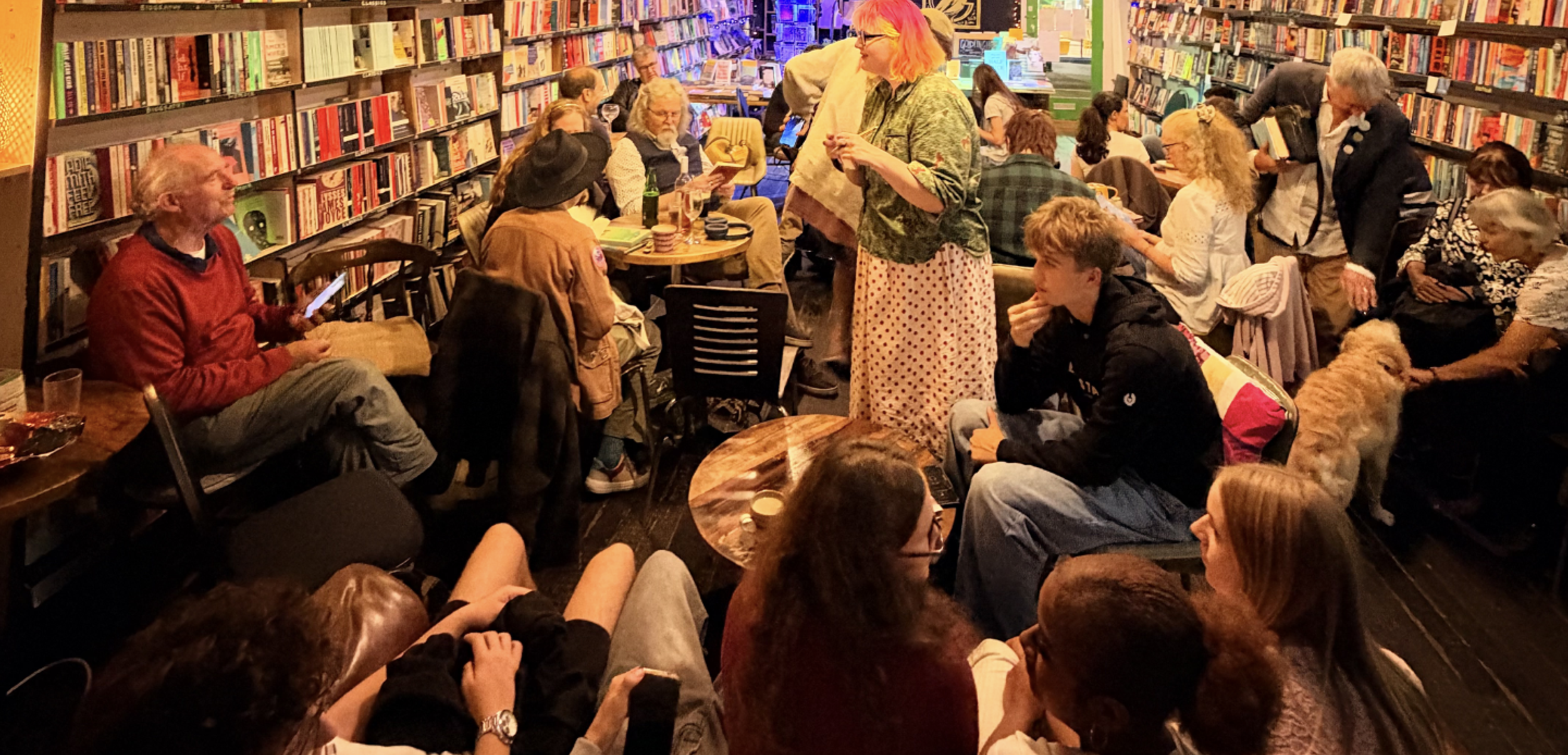
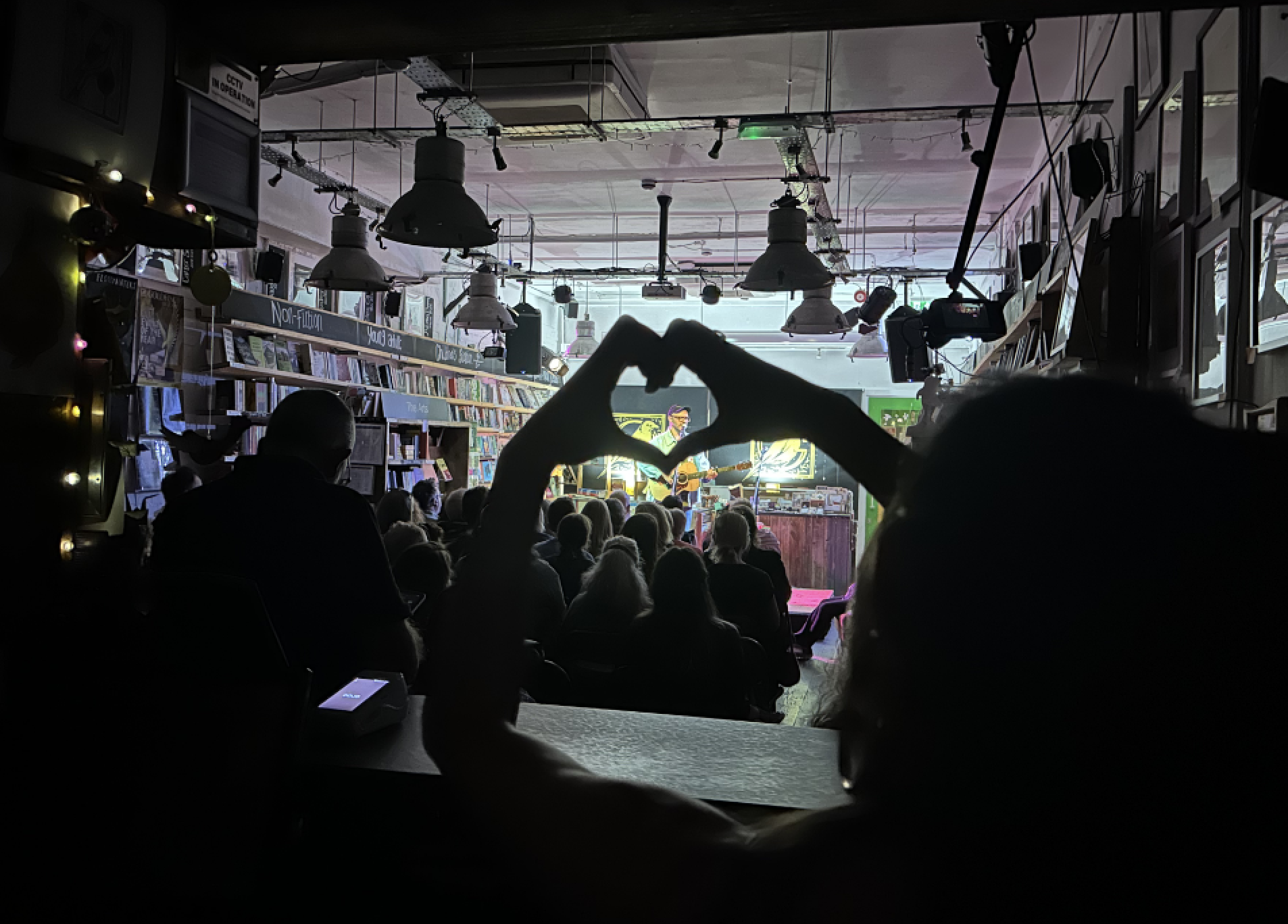
Goldfinch is an inclusive, creative community hub with an independent bookshop at its core. Its purpose is to provide a space to foster inclusion and connection, debate and discovery, around a beating heart of literature and the arts.
We are undertaking a community share issue to raise capital to buy and fit out an arts, performance and cafe-bar space with expanded trading premises.
By subscribing for shares issued by the society in this share offer you will become a member of it thus and owner of the society and its assets along with other members.
Be part of our story.
FAQ
Frequently asked questions about the community share scheme.
-
We are running this share offer through the Crowdfunder website. Once you commit to investing, Crowdfunder will take the money from you via credit or debit card, where it will be held by the Stripe payment platform.
We’re trying to buy a building and so if we can raise the money to make a viable purchase happen at our preferred site, we will move forward. The money will be passed to us (less the 5% fees to be paid at this point) so we can execute the plan.
However, if that building falls through and/or we think another site could be used to execute our vision, we can hold funds for 12 months. Platform fees will be paid on those funds, and we will also be able to call on them to explore other properties, by commissioning surveys and the like. By definition this will only happen in cases where we believe that both a purchase is likely and the premises are viable for us at the scale we want to trade at.
If we’ve not been able to move forward 12 months after closing the share issue we will return the funds to you at that point. We commit to keeping you as in the loop as possible so you have as much visibility of what’s happening as possible, and anyone who is unhappy about how things are going can contact us and we will repay them their portion of the sums left at that point.
Finally, Crowdfunder’s system does not allow us to capture information about any nominees for shares after your death, or identify who will be acting on behalf of a group or organisational nominees if you’re applying on their behalf, so after making your investment, please follow this up with an email to us at gary@goldfinch-books.com with these details.
-
The minimum investment is £100 and the maximum is 10% of our total capital or £30,000 whichever is greater. We do this so that we’re protected from the impact of large investments needing to be paid back in the event of the investor resigning or dying. We want to make sure any can contribute and levels set accordingly – if you really can’t do, get in touch – open to a conversation
-
Anyone over the age of 16 can invest.
-
Yes. A representative of that organisation will need to become a member of the society as its nominee.
-
Any group of people or unincorporated association can also invest. Someone from the organisation will have to nominate a member of the group to be the named shareholder in our share register.
-
Shares cannot rise in value, so there will never be a capital gain. They may be reduced in value if our auditors instruct us to do so if they believe that the value of our assets has fallen.
-
If we did become insolvent, the ability of investors to recoup the funds they have invested would depend on firstly the value we (or the appointed insolvency practitioners) could get for the assets of the society and secondly, the value of our debts at that point.
In the event of our insolvency or orderly winding-up, the proceeds from the sale of those assets and our cash would firstly pay off all our creditors, and if there were any funds left at that point, would be used to pay back shareholders as much of their investment as they have outstanding as possible, on a pro-rata basis.
Any surplus left after doing that will be passed to another not-for-profit organisation with a similar requirement as we have to not allow surpluses to be given to members on dissolution.
-
Although we are registered as a society with The Financial Conduct Authority (FCA), the sale of withdrawable shares in the society is not regulated by the FCA. Like many investments, these community shares are at risk and you could lose some or all of the money you invest.
If we ever did go bust, insolvency practitioners would find a buyer for our assets to pay off as many of the people we owed money to. Depending on what we raise, that list could include repaying any grant finance we had received if the funding requires a charge to be placed on our assets, Directors loans and trading debts.
Although our assets would include the property we’d have bought, those insolvency practitioners are focussed on getting value for those people who we owe money to, and covering their fees.
Once those creditors are paid in full, if there is money left, it will be split pro-rata amongst our investors.If after paying off the community share investors there is any remaining funds, those would be passed to a similar not-for-profit body with a restricted on giving surpluses to members if they ever were wound up.
If you claim tax relief on your investment, you would be able to get ‘loss relief’ where the difference between what you’d originally invested, less the tax relief you’d received thus far, and what you got back from us, as an allowable expense to reduce your tax liability.
Unlike deposits with high street banks, community shares are not covered by the Financial Services Compensation Scheme, nor is there any right of complaint to the Financial Ombudsman Service. If you are considering investing a significant amount then you may wish to seek independent financial advice before doing so.
-
No we have to be a charity.
-
Yes, if you want to just donate to us instead of investing, we’d be delighted to receive it, outside of the crowdfunder. Please contact us for how to do this.
-
No. This investment is in withdrawable share capital which cannot be transferred, sold or given to anyone else, except on your death or bankruptcy.
If you have invested £5,000 or less, you can tell us in advance who you wish to transfer your investment upon your death, and this will happen outside of the probate process. If you do not nominate anyone, then the Management Committee of the society will transfer your investment to whom they think is most obviously entitled to it (and will take advice from any instructions or your will. Any sums over £5,000 must be handled in accordance with the provisions of your will.
Transfers of your shares is exempt from the value of an estate when computed for Inheritance Tax.
-
Everyone who invests will receive a community share certificate.
-
Your personal details as submitted on the application form will be held by the society and used in accordance with the provisions of the rules and of the 2014 Co-operative and Community Benefit Societies Act. Only members can inspect the members’ register and view members’ names and addresses (but not how much they have invested) but the society will not share, sell or provide my details to any other individual or organisation and will ensure compliance with the GPDR regulation in accordance with its responsibility as a data controller.
Share Offer Documents.
COMING SOON… 23rd OCTOBER

Goldfinch Rules
Share Offer Document
Business Plan
ARTICLES - links to Substack
1. WHAT ARE WE DOING?
2. STANDING ON A BEACH- Staring at the Sea
3. COMMON GROUND: WHOSE TOWN IS IT ANYWAY?
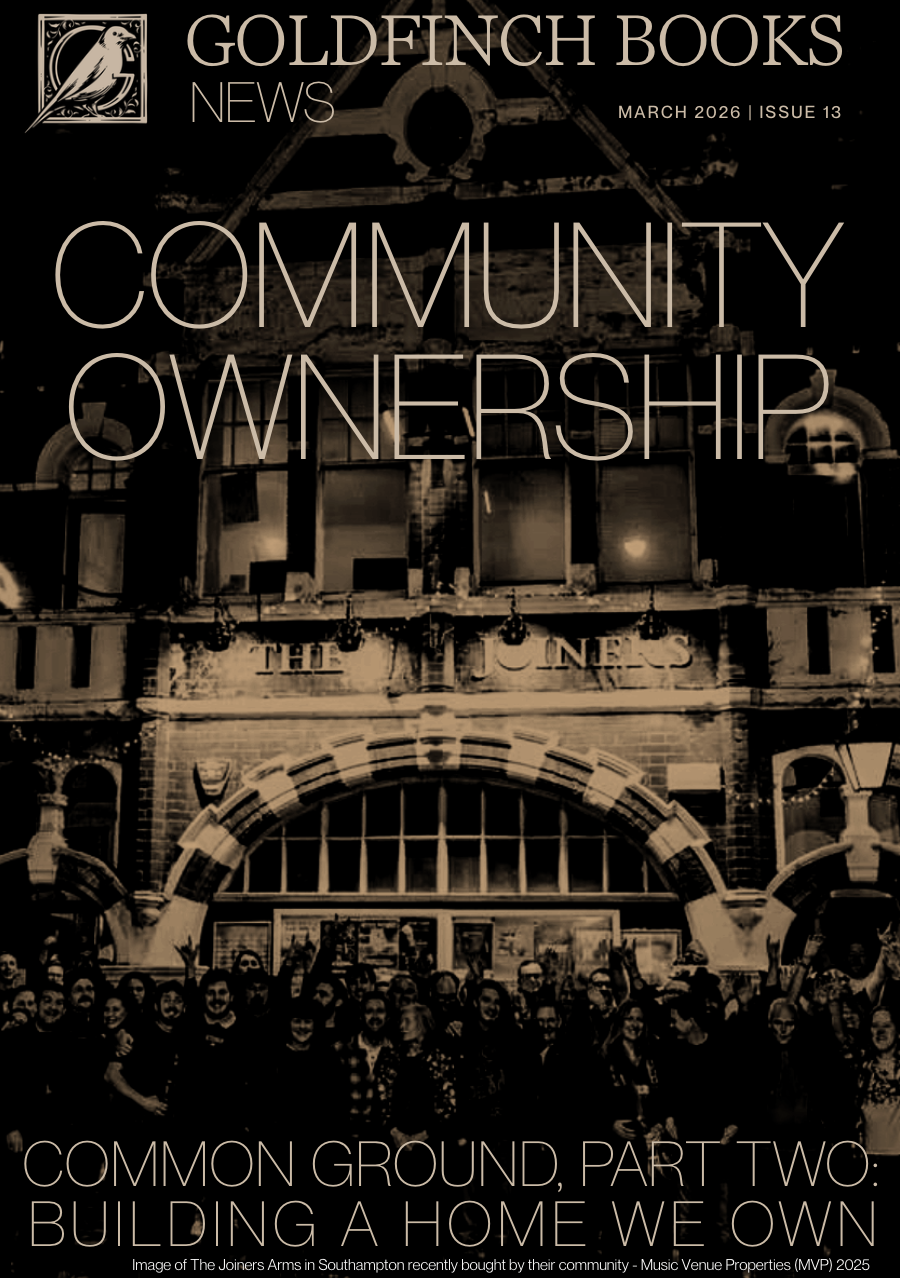
4. COMMON GROUND, PART TWO: BUILDING A HOME WE OWN
5. WHAT KIND OF COMMUNITY?
6. Bookshops, Community, and Ground‑Up Democracy

7. Now we are a Community Benefit Society
8. Community sharing